Health & Biomechanics Insights
Expert articles, recovery tips, and the science behind the Kinezio Method.
Recovery Tech
How SubZero Cryotherapy Accelerates Tissue Healing
Learn the science behind medical-grade CO2 cryotherapy and why it drops inflammation 10x faster than traditional methods.
Read ArticleFor decades, athletes have relied on ice packs to manage acute injuries. But ice packs are slow, messy, and can sometimes cause tissue damage if left on too long. Enter SubZero Medical CO2 Cryotherapy.
By applying pressurized carbon dioxide at -108°F (-78°C) directly to an inflamed area, we trigger a phenomenon known as Thermal Shock. The skin temperature drops rapidly (within 30 seconds) without freezing deep tissue. This signals the brain to immediately constrict blood vessels (vasoconstriction), flushing out swelling, lymphatic fluid, and inflammatory toxins.
As soon as the treatment stops, the vessels expand to 4 times their normal size (vasodilation), flooding the injured area with hyper-oxygenated, nutrient-rich blood. This process dramatically accelerates cellular repair, making it an essential tool for acute flare-ups, plantar fasciitis, and post-workout recovery.
Massage Therapy
Fascia Release vs. Deep Tissue: What’s the Difference?
Both relieve pain, but they target completely different systems. Find out which therapy your body actually needs.
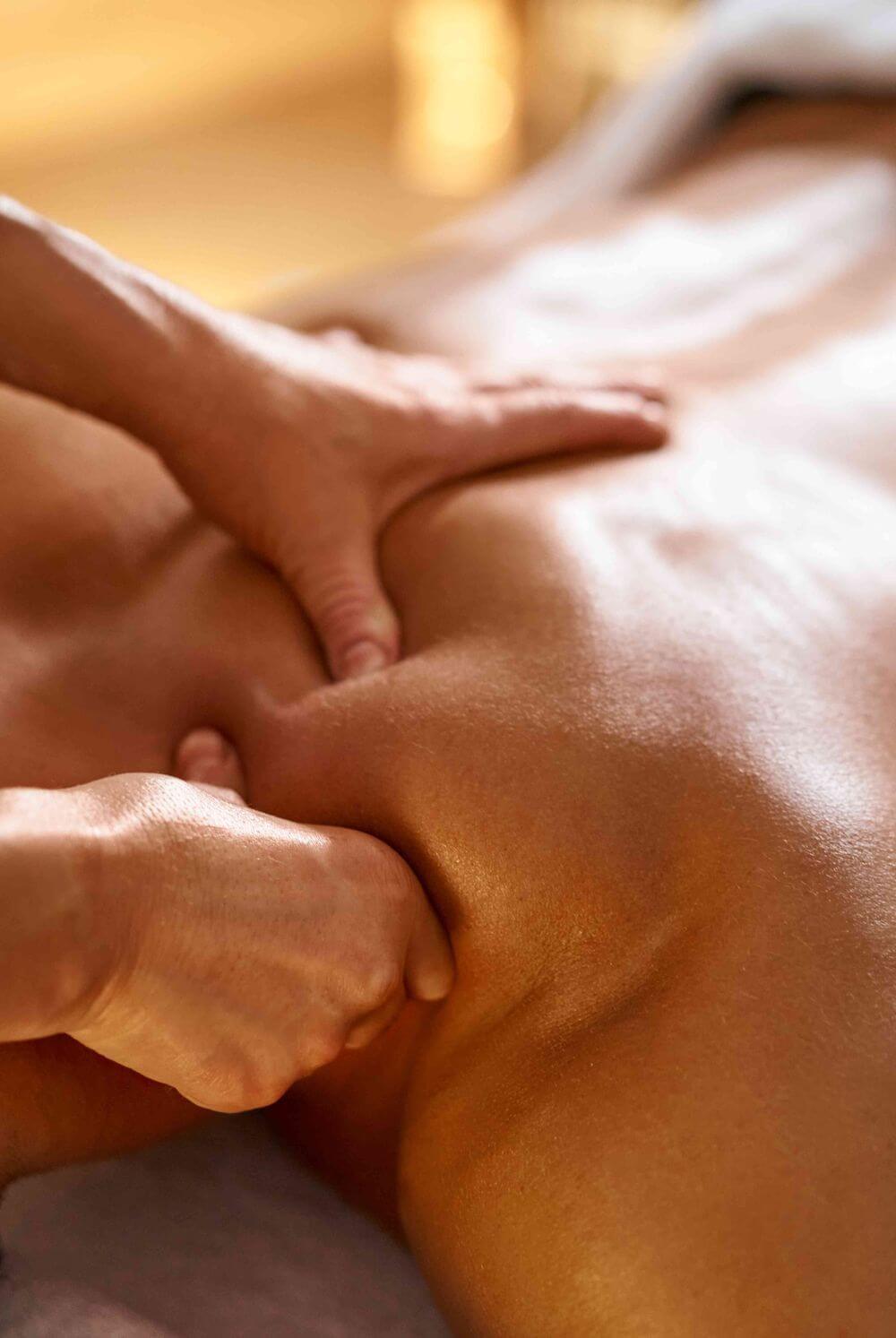
Read ArticleMany clients come in asking for a "deep tissue massage" because they are in pain, but sometimes that's the exact opposite of what their body needs. Understanding the difference between muscle and fascia is key to effective recovery.

Deep Tissue Massage focuses on the muscle belly. It uses strong, direct pressure to break up physical knots (adhesions) within the muscle fibers. It feels like a "good hurt" and is excellent for sports recovery or acute muscle spasms.
Fascia Release, on the other hand, targets the connective tissue that wraps around every muscle, bone, and organ like a spiderweb. When fascia gets tight (often from poor posture or stress), it literally binds the body in a straightjacket. Fascial release uses slower, sustained stretching without lotion to literally "melt" and elongate this web, restoring overall mobility and taking pressure off the joints.
Postural Health
Reversing "Tech Neck": A Guide to Cervical Alignment
Simple daily habits and clinical interventions to correct the posture causing chronic headaches and shoulder tension.
Read ArticleThe human head weighs about 10 to 12 pounds. But for every inch your head tilts forward while looking at a smartphone or laptop, the weight on your cervical spine (neck) essentially doubles. This forward head posture, commonly known as "Tech Neck," is an epidemic.
When the head shifts forward, the muscles in the back of the neck and shoulders are forced to work constantly to keep the head from dropping. Over time, this leads to chronic tension, tension headaches, and even early spinal degeneration.
At Kinezio, we address Tech Neck by releasing the overly tight muscles in the chest and anterior neck, while using neuromuscular techniques to "wake up" the weakened muscles in the mid-back. Combined with specific postural exercises, this approach helps restore the natural curve of the neck and eliminates the daily pain.
Chiropractic
Spinal Decompression: The Non-Surgical Answer
A deep dive into how targeted traction therapy relieves pressure on herniated discs and restores nerve function naturally.
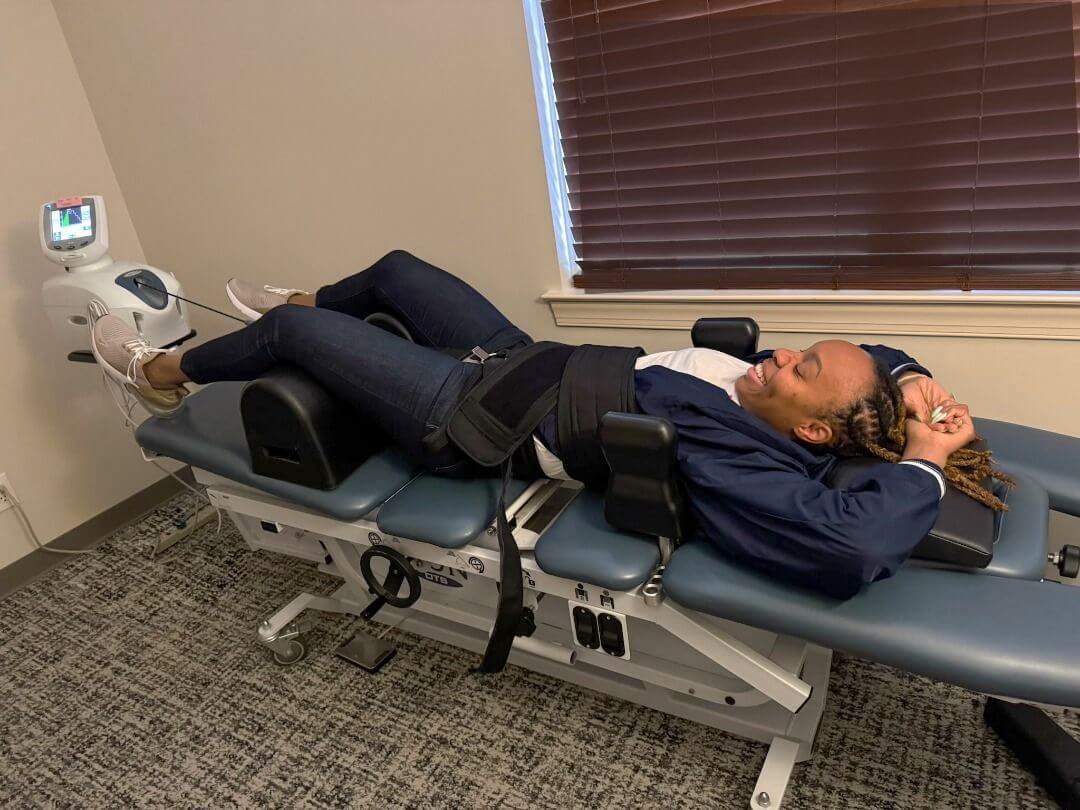
Read ArticleSciatica and herniated discs can cause debilitating pain that shoots down the leg, making standing, sitting, or walking nearly impossible. While surgery is often suggested as a last resort, non-surgical spinal decompression offers a highly effective alternative.
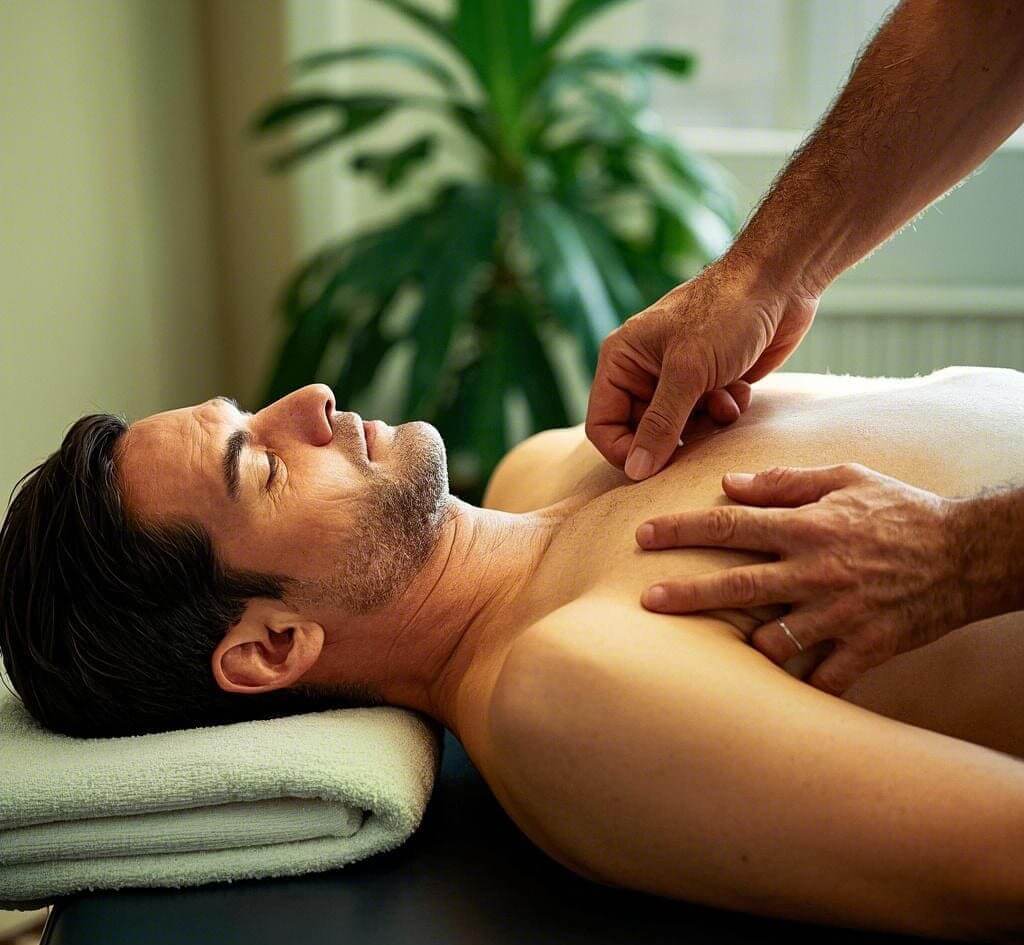
Spinal decompression works by gently stretching the spine in a controlled, safe manner. This changes the force and position of the spine, taking pressure off the spinal discs—the gel-like cushions between your bones.
By creating negative pressure within the disc, it actually helps to pull bulging or herniated disc material back into place. Furthermore, it promotes the movement of water, oxygen, and nutrient-rich fluids into the discs, allowing them to heal. When combined with chiropractic adjustments, it offers a complete protocol for severe back pain.
Wellness
The Role of Meridian Therapy in Modern Medicine
Bridging the gap between ancient Eastern energy practices and modern neurological assessments using the Bio-Glove technology.
Read ArticleFor centuries, Traditional Chinese Medicine has utilized the concept of "Meridians" — energetic pathways through which life force (Qi) flows. While Western medicine long viewed this skeptically, modern neurology is finding fascinating parallels between these meridians and the body's fascial planes and nervous system pathways.

At Kinezio, we bridge this gap using the Bio-Glove technology. This device transmits low-frequency electrical impulses through the therapist's hands into the client's body. These micro-currents stimulate the meridian lines, clear blockages, and promote profound cellular healing.
The result is not just a reduction in muscular pain, but an overall systemic reset. Clients report better sleep, improved digestion, and a massive reduction in chronic stress immediately following a session.
Massage Therapy
Why Hydration is Crucial After a Session
Your massage doesn't end when you leave the table. Understanding the lymphatic flush and why water is your best recovery tool.
Read ArticleWe always hand our clients a glass of water after a session, and it’s not just for hospitality. Deep tissue massage, fascia release, and chiropractic adjustments all stimulate the lymphatic system—the body's natural waste disposal network.

When tight muscles are released, metabolic waste products (like lactic acid) that were trapped in the tissues are pushed into the bloodstream. If you are dehydrated, your blood becomes thicker, making it difficult for the kidneys and liver to process and flush out these toxins.
Drinking plenty of water after your appointment essentially "flushes the pipes." It prevents the post-massage soreness or grogginess that some people experience and helps rehydrate the newly mobilized fascial tissues, keeping them pliable and healthy.
Wellness
The Hidden Power of Sleep in Muscle Recovery
Therapy happens on the table, but healing happens in bed. Why deep REM sleep is the ultimate biological repair mechanism.
Read ArticleYou can get the best massages, chiropractic adjustments, and physical therapy in the world, but if you aren't sleeping, your body won't heal. Sleep is the foundation of all physical recovery.

During the deep stages of Non-REM sleep, your pituitary gland releases human growth hormone (HGH). This hormone stimulates tissue growth and muscle repair. Furthermore, during sleep, your brain flushes out neurotoxins, and your nervous system shifts from the "fight or flight" sympathetic state to the "rest and digest" parasympathetic state.
If you suffer from chronic pain, prioritize your sleep hygiene. Keep your room cold, avoid screens an hour before bed, and consider evening magnesium supplements to help your muscles relax completely.
Postural Health
How Emotional Stress Hardens Your Fascia
Stress isn't just in your head—it physically alters the connective tissue in your neck and shoulders. Here is how to reverse it.
Read ArticleHave you ever noticed that when you are stressed at work, your shoulders creep up towards your ears? This isn't just a bad habit; it's a biological defense mechanism. The body perceives stress as a physical threat and tightens the fascial armor to protect vital organs like the neck and chest.
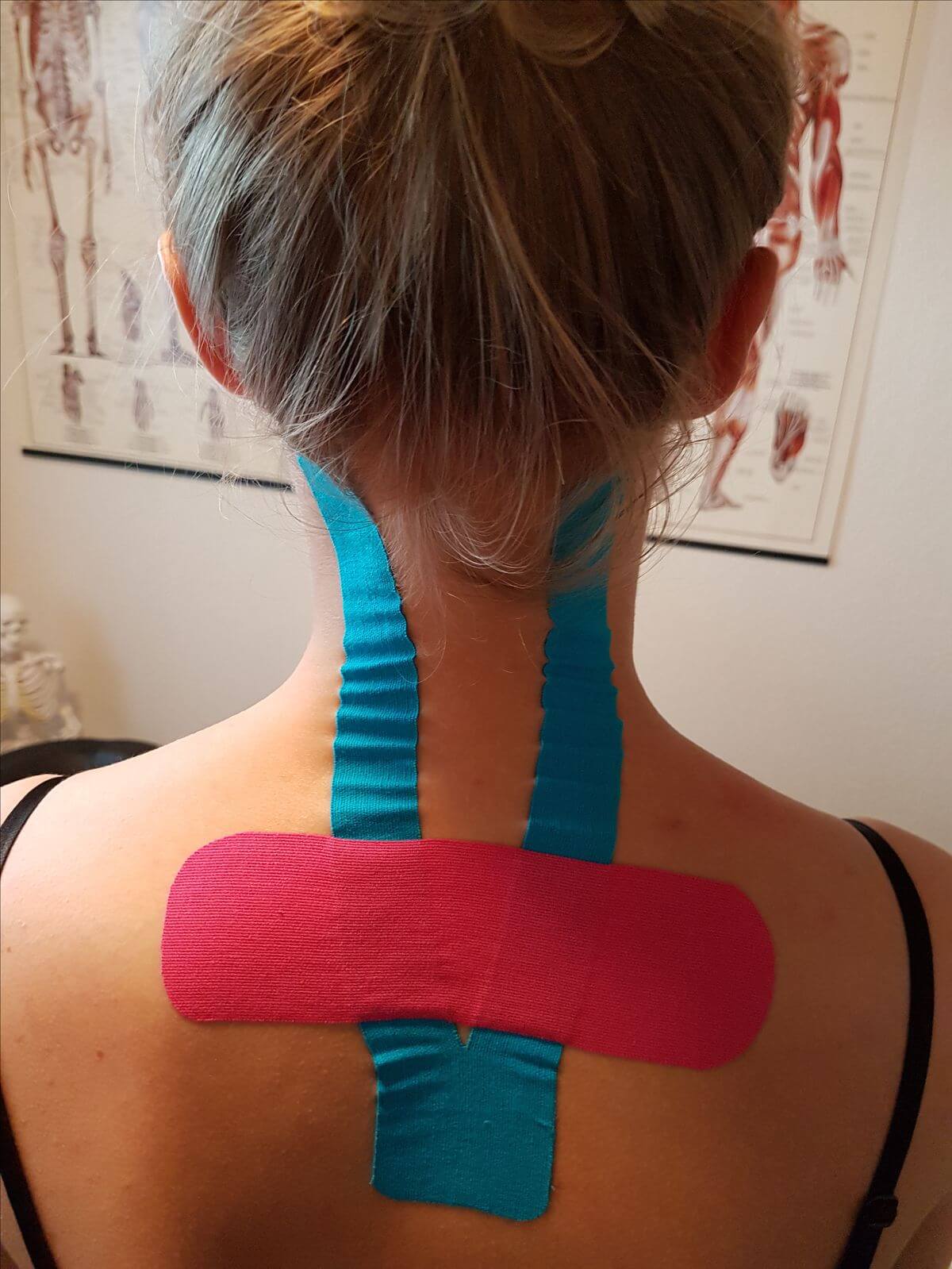
When stress is chronic, the fascia loses its watery, pliable consistency and becomes thick and glue-like. This is why people with high-stress jobs develop rock-hard shoulders that seem impossible to relax, even with stretching.
Addressing this requires a dual approach. Somatic bodywork and fascial release manually break down these adhesions, while breathwork and vagus nerve stimulation tell the brain that it is safe to finally let go of the tension.
Recovery Tech
Kinesiology Taping: Fact, Fiction, and Function
You've seen Olympic athletes covered in colorful tape. Discover exactly how it supports joints and reduces localized swelling.
Read ArticleKinesiology tape looks like magic athletic armor, but its function is grounded in pure biomechanics and neurology. Unlike rigid athletic tape that restricts movement to protect a sprain, Kinesio tape is elastic and moves with the body.
When applied correctly by a professional, the tape slightly lifts the skin away from the underlying muscle and fascia. This microscopic lift creates space, allowing for increased blood flow and rapid lymphatic drainage, which dramatically reduces swelling and bruising.
Additionally, the tape provides sensory feedback to the brain (proprioception). It acts as a gentle reminder to maintain proper posture or muscle activation during movement, making it an excellent tool to prolong the effects of an adjustment or massage session long after you leave the clinic.
Stop reading about pain. Start resolving it.
Apply these insights to your own body with a comprehensive diagnostic session at Kinezio Advanced Massage.